The Peak Press
Archives
A623 Road Closure, High Peak Tourism Boom & Buxton History Festival
Subscribe
The Peak Press
Archives
A623 Road Closure, High Peak Tourism Boom & Buxton History Festival
Ian Barwell
Apr 1, 2026
Trivia Question❓The A623 runs through Middleton Dale, near which famous Peak District village — known for its connection to the 1665 plague? Answer at the bottom of the newsletter |
 |
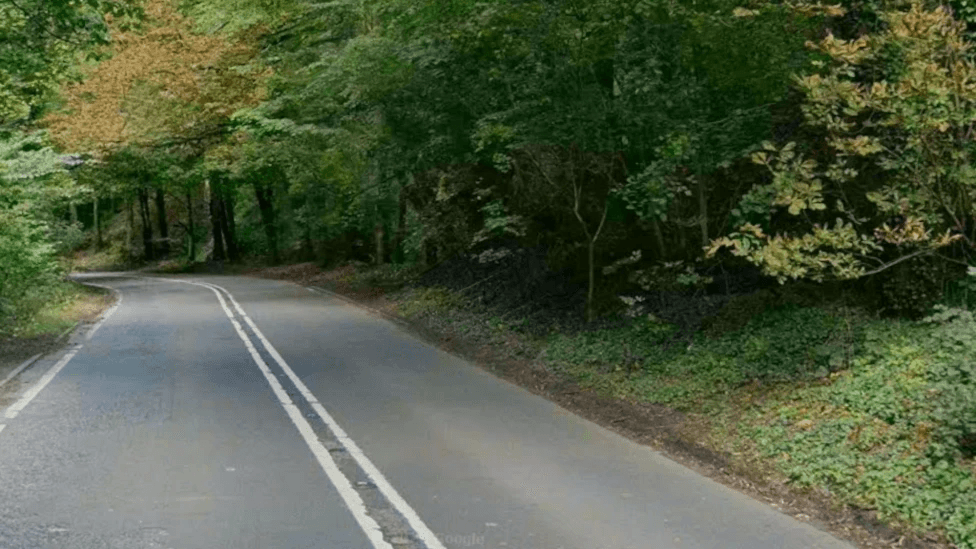 |
The A623 at Middleton Dale, near Eyam, will close daily from 8am to 5pm between Monday, 30 March and Thursday, 2 April.
This closure is necessary for the removal of up to 200 ash trees afflicted by ash dieback, a severe fungal disease that poses safety risks by making trees weak and unstable.
Derbyshire County Council has coordinated with private landowners so essential tree-felling can take place under a single closure, limiting disruption for local drivers.
The affected stretch is between Farnsley Lane and the B6521 junction at The Dale, Eyam.
Drivers face an official diversion route adding 10–15 minutes to journeys, with an 18-mile detour via the A619, A6020, and A6.
Ash dieback, now widespread in the UK, threatens up to 90% of ash trees and is closely monitored by the council, which is urging both public and private action for public safety. Read More... |
 |
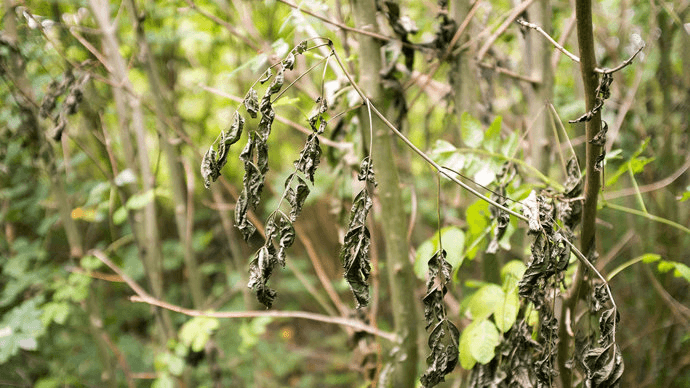 |
What is Ash Dieback - and Why Is It Causing Such Disruption? |
This week's lead story about the A623 road closure is caused by a serious tree disease called ash dieback.
But what exactly is it, and why is it causing such disruption across the Peak District?
Ash dieback is a devastating fungal disease affecting ash trees. It is caused by a fungus called Hymenoscyphus fraxineus, which originated in Asia and has spread rapidly across Europe over the past 30 years. It is now widespread throughout the UK.
How Does It Affect Ash Trees?
The fungus blocks the tree's water transport systems, causing leaf loss, crown dieback, and bark lesions. Over time, the tree becomes weak and brittle, making it much more likely to shed branches or collapse completely. This poses a significant risk to public safety, especially when infected trees are located next to roads, buildings, or public footpaths.
Why Is It Such a Big Problem?
Ash is one of the UK's most common native trees, found in woodlands, parks, and gardens across the country. It is estimated that ash dieback will kill up to 90% of ash trees in the UK. For local authorities and landowners, the disease creates a huge financial and logistical challenge. They have a legal duty to ensure the safety of trees on their land, which means carrying out surveys, monitoring infected trees, and arranging for their safe removal when necessary.
What Can Be Done?
Unfortunately, there is no cure for ash dieback. The focus is on managing the disease and its impact. This includes removing dangerous trees as a priority, identifying naturally resistant trees for future breeding programmes, and planting a diverse mix of other native species to replace those lost. While the loss of our ash trees is a tragedy, the work being done to create resilient woodlands for the future offers a glimmer of hope.
|
 |
 |
High Peak Tourism Booms with 6.5 Million Visitors |
The High Peak's tourism industry is experiencing a significant uplift, with new figures revealing that 6.5 million people visited the borough in 2024, contributing over £500 million to the local economy.
The latest data, released by High Peak Borough Council from the tourism industry's economic impact modelling tool STEAM, highlights strong growth in the sector. The number of overnight visitors saw a substantial increase of almost 15%, reaching 2.4 million. The industry now supports more than 4,300 local jobs.
Councillor Damien Greenhalgh, Deputy Leader and Executive Councillor for Regeneration, Leisure and Tourism, praised the figures, attributing the growth to the area's unique appeal.
"Our borough offers an exceptional mix of world-famous landscapes, vibrant market towns, and unique cultural attractions – all within easy reach of the city regions that surround our beautiful part of Derbyshire."
The report highlights the diverse attractions that draw visitors to the High Peak, from the iconic landscapes of the Peak District National Park to the cultural gems of Buxton, including the Georgian Crescent, the thermal spa, and the Opera House. The charm of Hope Valley's villages and the appeal of towns like Whaley Bridge and New Mills were also noted as key drivers. The positive figures were released during English Tourism Week.
|
 |
 |
Buxton to Host Inaugural History Festival |
Buxton will welcome leading historians, writers, and performers for its first-ever History Festival, a three-day event running from Friday, 17 April to Sunday, 19 April.
Organised by the Buxton Crescent Heritage Trust and sponsored by Yale University Press, the festival will feature fourteen talks at the Buxton Crescent Assembly Room and the Grade II listed Pump Room, covering topics from medieval manuscripts and Georgian masquerades to Victorian artists and Britain's atomic programme.
Simon Wallwork, CEO of the Buxton Crescent Heritage Trust, said: "We're delighted to launch a new cultural event that celebrates curiosity and supports the Trust's work to ensure it protects and provides access for all to Buxton's remarkable heritage."
Hands-on workshops will also be available, including a "Ribbons and Regency" session where visitors can create Regency-style cockades. All proceeds support the Trust's charitable work. Tickets are available at buxtonexperience.com/tour/history-festival.
|
 |
Buxton Museum Finds New Temporary Home |
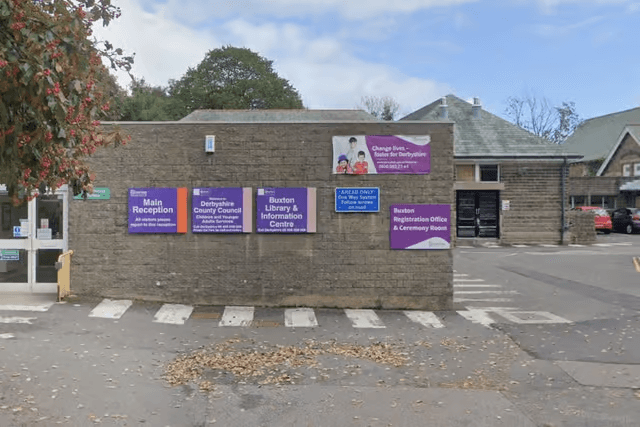
Buxton Museum and Art Gallery is set to reopen this spring in a new temporary home next to Buxton Library on Kents Bank Road, after the closure of its permanent home on Terrace Road in 2023.
The museum was forced to close due to a discovery of dry rot. Derbyshire County Council is now fitting out a dedicated temporary building with an upgraded alarm system, lighting, and a gift shop and activity room. Admission will remain free.
Discussions are ongoing between Derbyshire County Council and High Peak Borough Council to secure a permanent home for the museum in the town centre. The museum team is asking for public feedback -
|
 |
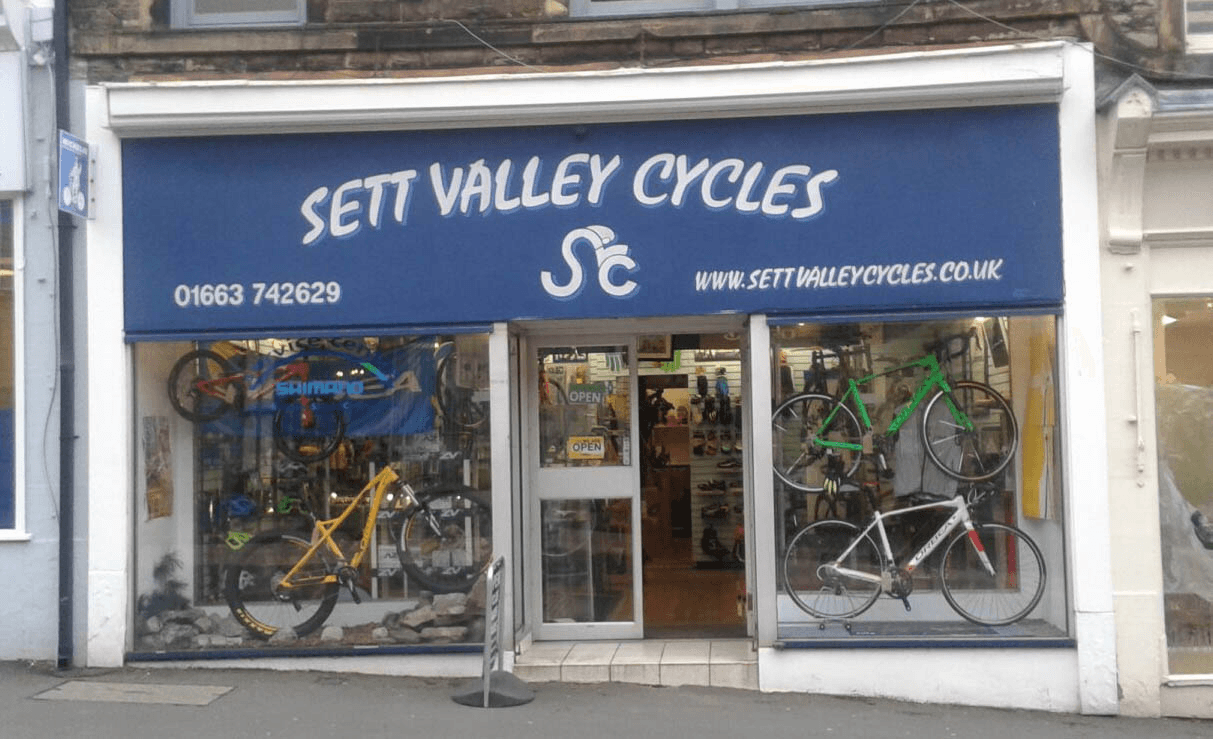 |
Sett Valley Cycles established in the year 2000 by owner Sam Clark, a passionate bike rider from Buxton who turned a hobby and lifestyle into a small traditional cycle business. Both retail shop and repair workshop with emphasis on service, knowledge and experience having now spent over 30 years in the trade.
He still rides almost every day, both for commuting and leisure as well as a healthy amount of racing – mainly on, but occasionally off road. Definitely practicing what he preaches!
At Sett Valley Cycles they pride themselves on attention to detail with all repairs, going the extra mile to get the job done correctly. All bikes are treated with the same care and respect from a 12″ wheeled childs bike to a £10,000 superbike.
You can be rest assured that your pride and joy comes back to you fully tuned and ready for all you can throw at it.
The Sett Valley Cycle workshop is kept bang up to date with the correct tools for the job and our mechanic is Cytech trained .
Address: Sett Valley Cycles, 9 Union Rd, New Mills, High Peak,Derbyshire, SK22 3EL. Email: settvalleycycles@gmail.com Tel: 01663 742629
Opening times Monday – 9:30am-6pm Tuesday – 9:30am- 6pm Wednesday – Closed Thursday – 9:30am- 6pm Friday – 9:30am- 6pm Saturday – 10am – 4pm Sunday – Closed *Closed Bank Holidays |
 |
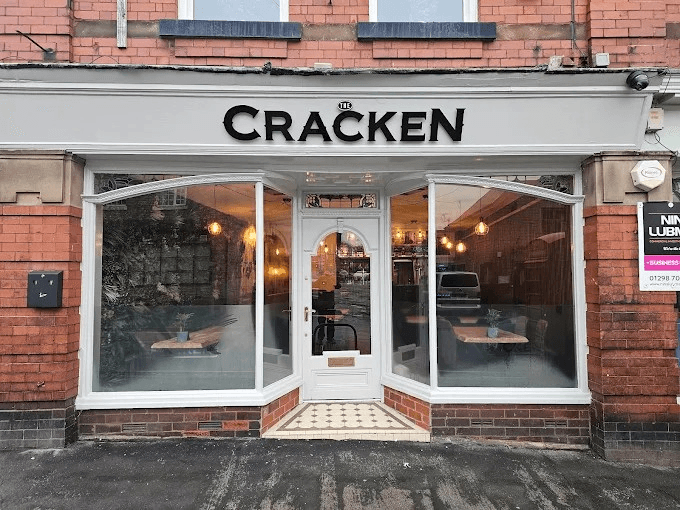 |
The Cracken |
A great place to eat in Chinley. We've carefully composed the finest drinks and food in a modern retro environment.
Food crafted by our master chef. Wines from around the world selected by sommeliers Draught beers, lagers & stout. A selection of the finest spirits, whiskeys and bourbons.
Walk-ins Welcome. Reservations Welcome
Our main focus is you and your experience. We take pride in ensuring you all feel welcome and connected.
Whether you pop in for a quick drink, bite to eat, or even just a change of scenery - you will be happy you did and will leave the Cracken smiling.
Address: 3, Green Lane, Chinley, High Peak, Derbyshire, SK3 6AA
Telephone: 07958 604429
|
 |
 |
 |
 |
 |
 |
 |
 |
 |
 |
💡 Answer to Trivia Question: Eyam — the village that voluntarily quarantined itself during the Great Plague of 1665, preventing the disease from spreading to surrounding communities. |
