A Wilder Peak: 10,000 Trees, 70 Hectares of Meadow, and a National Park Transformed |
Derbyshire Wildlife Trust has completed its £1.69m Wild Peak habitat restoration project — planting 10,000 trees, restoring 70 hectares of meadow, and laying the groundwork for the return of black grouse and osprey. |
Two years after securing a landmark £1.69 million in funding, the Derbyshire Wildlife Trust has successfully completed one of the most ambitious habitat restoration projects the Peak District has seen in recent years.
The "Restoration of Lost Habitats for a Wild Peak" initiative, which ran from March 2024 to February 2026, has delivered a powerful combination of landscape-scale environmental work and deep-rooted community engagement, laying the foundations for a wilder, more resilient future for the national park.
Funded by the Government's Species Survival Fund, a partnership between Defra, The National Lottery Heritage Fund, Natural England, and the Environment Agency, the project has reconnected fragmented habitats and begun to halt the decline of native species across a vast area.
The achievements of the project are as impressive on the ground as they are on paper. Over the two-year period, the Trust and its partners have delivered a remarkable set of results:
Achievement and Impact
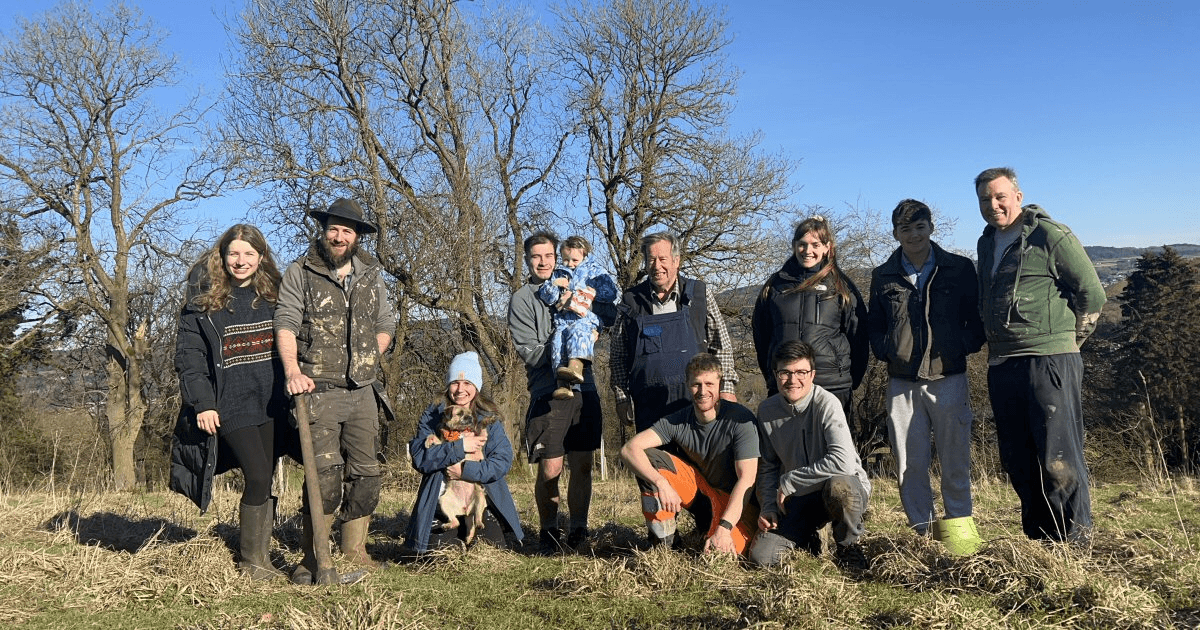
10,000+ Trees Planted - Increasing woodland cover and creating vital corridors for species like the elusive pine marten to travel and thrive. 70 Hectares of Meadow - An area equivalent to roughly 100 football pitches of species-rich wildflower meadow has been created or restored, providing essential habitat for pollinators. 26 Community Projects - The Trust funded a wave of locally-led initiatives, from creating new ponds and wetlands to installing homes for bats, birds, and hedgehogs. 1,300+ People Engaged - More than 800 people participated in 60 events, while a further 500 volunteered their time, demonstrating a huge community appetite for nature recovery. The success of the project was built on a collaborative model, working directly with private landowners who are members of the Trust's Wild Peak Network. This network of over 75 members, managing more than 6,000 acres of land, was crucial in delivering the vision for a connected and thriving landscape.
Dave Savage, Head of Landscape Recovery at Derbyshire Wildlife Trust, hailed the project as a triumph of collaboration.
“This project has shown what’s possible when investment is matched with ambition and collaboration. Thanks to the Species Survival Fund, we have begun to reverse habitat loss at landscape scale and support species recovery across the Peak District. Wild Peak has empowered communities to take action for nature and laid strong foundations for a wilder, more resilient landscape, but this is just the start.”
Indeed, the Trust sees this as a beginning, not an end. With the momentum from the Wild Peak project, they are now looking to expand the network and explore the reintroduction of lost heritage species, including the iconic black grouse and the majestic osprey.
It’s a bold vision for the future of the national park, one that is now a tangible step closer thanks to the seeds and the trees planted over the last two years.
|
0 Comments
Join the conversation
Be the first to comment
Share your thoughts above.