
High Peak Fights Back Against Controversial CO2 Pipeline Plan |
A 121-mile CO2 pipeline from the Peak District to the Irish Sea has sparked fierce opposition. We cover the Whaley Bridge public meeting, the 17,000-signature petition, and what it means for the High Peak. |
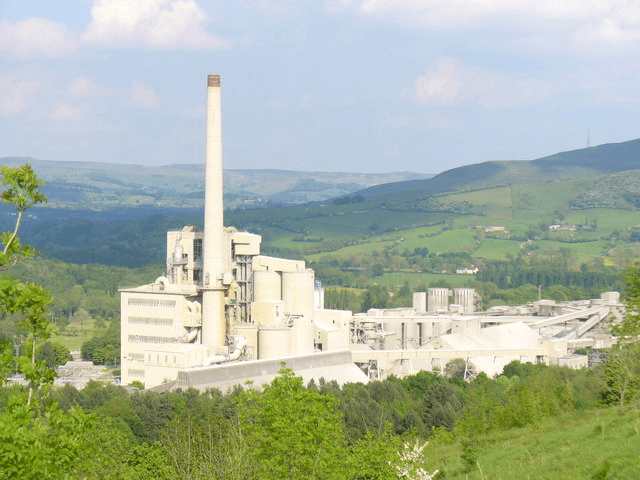
A 121-mile pipeline, a £60 million project, and a plan to bury carbon dioxide under the Irish Sea - the Peak Cluster CO2 pipeline has become one of the most contentious issues facing the High Peak in years.
Following a packed public meeting in Whaley Bridge, the debate over the project's future is intensifying, pitting national net-zero ambitions against fierce local opposition.
The project, led by a consortium including cement giants Tarmac (Tunstead) and Breedon (Hope), aims to capture CO2 emissions from their Peak District plants and transport them via a new pipeline to permanent storage in depleted gas reservoirs offshore. For the government and the industry, it's a flagship decarbonisation project, essential for cleaning up one of the country's most carbon-intensive sectors.
For many residents, councils, and environmental groups, however, it's a high-risk, high-impact intrusion into a cherished national landscape.
The Route and The ResistanceThe proposed pipeline would cut a swathe through the Peak District, running from the cement works in Buxton and the Hope Valley, through areas including Whaley Bridge, before heading west through Cheshire and the Wirral to the coast.
The construction phase alone is projected to last at least six years, bringing what opponents describe as intolerable noise, vibration, and traffic gridlock to communities along the route.
Opposition has been swift and organised. A public meeting in Whaley Bridge on 10th March saw residents voice deep concerns about safety, environmental damage, and the disruption to local life. This local anger has been echoed across the proposed route, with Wirral Council unanimously voting to oppose the project and urge the government to scrap it entirely. Nearly 17,000 people have signed a petition against the scheme, citing significant environmental, safety, and ethical concerns.
"Brushed Aside": The Political BattleCritics accuse the government of brushing aside local concerns in favour of its national net-zero targets. The Campaign for the Protection of Rural England (CPRE) has highlighted the potential for significant disruption to farming, damage to the Green Belt, and the loss of wildlife habitats.
The project is designated a Nationally Significant Infrastructure Project (NSIP), meaning the final decision rests not with local councils but with the Secretary of State for Energy Security and Net Zero. This has led to fears that local democracy is being bypassed.
The Case for Carbon CaptureProponents of the Peak Cluster argue that it is a vital tool in the fight against climate change. The cement industry is responsible for a significant portion of the UK's industrial emissions, and carbon capture and storage (CCS) is currently one of the few available technologies to decarbonise the process at scale.
Project representatives maintain that the pipeline will use proven, safe technology and that it will support regional employment while helping the UK meet its legally binding climate targets. The government has also stated that all projects undergo rigorous independent environmental and safety assessments, with typical storage sites expected to retain over 99.9% of the CO2 they hold for more than a century.
An Unresolved DebateWith the initial public consultation period having closed in February, the project is now in a critical phase. The developers will review the feedback before submitting a formal application.
For the communities of the High Peak, the fight is far from over. The Whaley Bridge meeting has galvanised local opposition, and the pressure on both the developers and the government is set to increase. The question of how to balance national climate goals with the protection of treasured local landscapes remains unanswered, and the Peak District finds itself at the very centre of this complex and urgent national debate.
|
0 Comments
Join the conversation
Be the first to comment
Share your thoughts above.