Derbyshire's Care Home Crisis: The Collapsed Sale, the Rising Fees, and the High Peak Left Behind |
Derbyshire County Council's plan to sell eight care homes has collapsed, leaving the High Peak with a shortage of affordable care places and raising fears of rising costs and closures. |
High Peak Faces Care Squeeze as Council Pushes Ahead with Controversial Overhaul
Derbyshire County Council is set to increase the fees it pays to private care providers, a move that comes as its flagship policy of selling off its own care homes has run into serious trouble, raising fears of a growing care crisis in the High Peak.
The Reform UK-led council is expected to approve a 3.8% increase in the rates it pays for residents in independent care homes and a 3.7% rise for at-home care. The decision highlights the council’s increasing reliance on the private sector, a strategy inherited from the previous Conservative administration.
This strategy, however, was thrown into chaos when the planned sale of eight council-run care homes to a single provider collapsed late last year, leaving the facilities and their residents in limbo and facing potential closure.
For the High Peak, the situation is particularly acute. Unions and opposition councillors warn that the area already suffers from a severe shortage of affordable care places, a problem exacerbated by the council’s closure of Goyt Valley House care home in 2022.
“In some places, particularly in High Peak and Derbyshire Dales, there are no care home places that will accept Derbyshire County Council rates without a top up,” said Martin Porter, Branch Secretary for UNISON Derbyshire. “For many people the only question is who will pay it, family members or the Derbyshire council taxpayer. This is another reason why we must keep as much of the care market as possible in local authority ownership.”
Labour Group Leader, Cllr Anne Clarke, echoed these concerns, directly questioning the council’s strategy in the region.
“The Cabinet papers note that the Market Position Statement highlights the challenges in High Peak especially, and would like more nursing provision in the area – this is after the council closed down Goyt Valley House care home and the Jubilee Day Centre in New Mills. Does the council now view its closure of the Goyt Valley House care home as a mistake?”
Council Defends Its Strategy
Cabinet Member for Adult Care, Cllr Joss Barnes, defended the council’s direction, arguing the changes are necessary to create a sustainable and modern service.
“Supporting older and disabled people is one of our highest priorities,” he said, stating that the focus is now on creating specialist, in-house care for the growing number of people with dementia and helping more people to live independently at home for longer."
Cllr Barnes claims the move away from traditional residential homes is driven by a decline in demand and the fact that the council cannot legally provide the intensive nursing care many residents now require. He insists the private care market in Derbyshire is of good quality, with 78% of homes rated Good or Outstanding by the Care Quality Commission.
Fears of Rising Costs and a Privatisation Monopoly
Despite these assurances, campaigners and unions remain deeply concerned. They argue that a dependency on private providers will inevitably lead to a monopoly where companies are free to raise fees, reduce quality, and prioritise profits over people. They point to the fact that nearly 90% of private care home residents nationally already require council supplements to cover their costs.
The eight care homes facing closure are:
Briar Close, Borrowash
Castle Court, Swadlincote
The Grange, Eckington
Lacemaker Court, Long Eaton
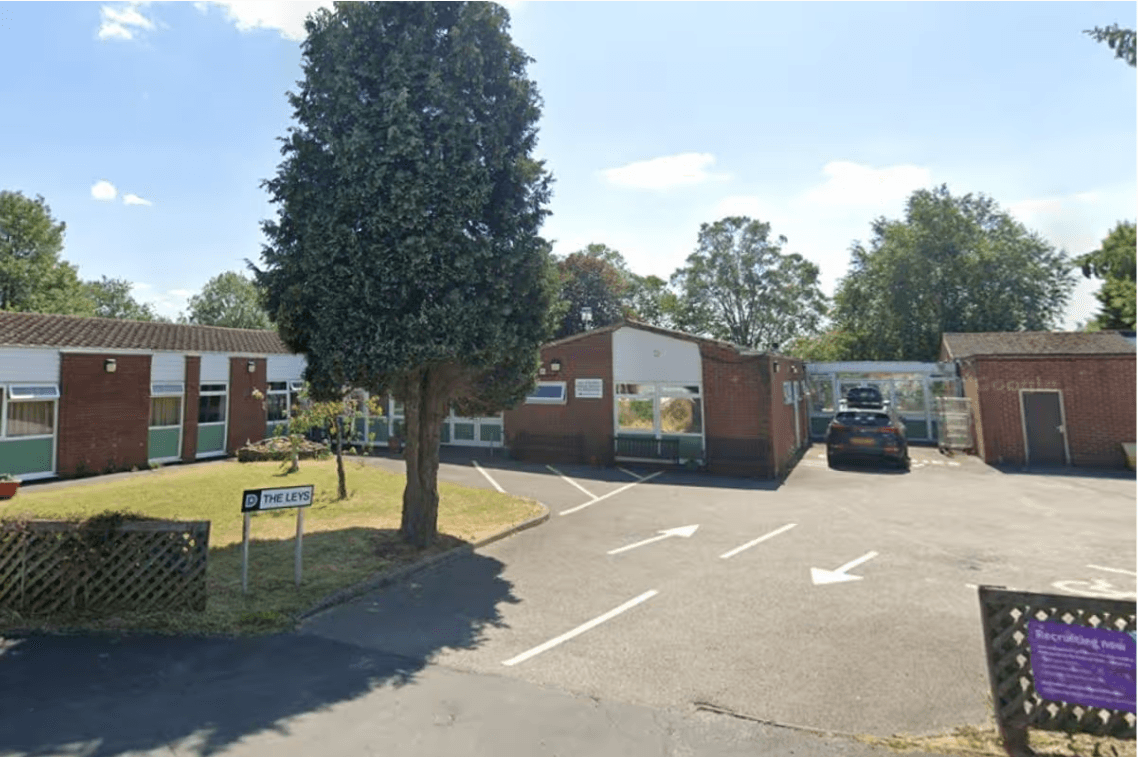
The Leys, Ashbourne
New Bassett House, Shirebrook
The Rowthorne, Swanick
Thomas Colledge House, Bolsolver
With the fate of these eight homes still undecided, and the separate sale of a ninth home, Ada Belfield in Belper still proceeding, the long-term financial and human cost of the council's social care transformation remains profoundly uncertain.
|
0 Comments
Join the conversation
Be the first to comment
Share your thoughts above.